Resaltar:
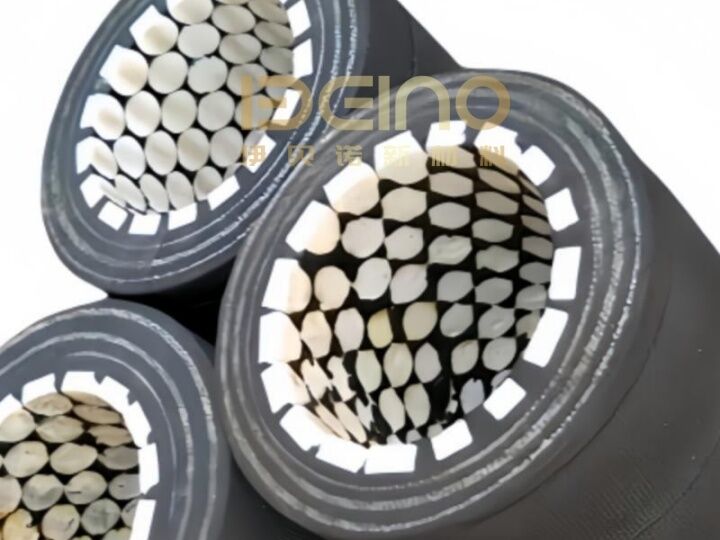
Tubería flexible de cerámica con excelente resistencia a la abrasión
, Manguera de caucho revestida de cerámica de diámetro interior personalizable
, Manguera de cerámica con una vida útil 5 veces mayor
Densidad de las baldosas cerámicas: |
3.75g/Cm3 |
Tipo de manguera: |
Manguera flexible resistente a la abrasión |
Color de cerámica: |
Blanco |
densidad de cerámica: |
≥3.65g/cm |
Rango de temperatura: |
-40°C a 120°C |
Nombre del producto: |
Manguera de goma alineada de cerámica |
material de revestimiento interior: |
Cerámico |
Resistencia a la tracción: |
≥12MPA |
Resistencia a la corrosión: |
Excelente |
Rango de diámetro: |
de 25 mm a 300 mm |
Clasificación de presión: |
Hasta 10 bar |
Medio de trabajo: |
Lodos abrasivos, arena, cemento, carbón. |
Tipo de producto: |
Manguera de goma alineada de cerámica |
Material cerámico: |
alúmina del 95% de cerámica |
densidad de cerámica: |
30,75 g/cm3 |
Dureza cerámica: |
≥85 HRA |
Estructura del producto: |
Revestimiento cerámico de alúmina + manguera de caucho reforzado |
Tubería Flexible Cerámica para Dragado y Transporte de Arena
Introducción del producto
Las operaciones de dragado y transporte de arena en puertos, ríos y entornos de ingeniería costera implican mezclas altamente abrasivas de arena, limo, grava y agua.Estos materiales crean un flujo erosivo continuo, especialmente en condiciones de alta velocidad de flujo y presión.
Las mangueras de caucho tradicionales suelen fallar prematuramente debido al desgaste interno, mientras que las tuberías de acero carecen de flexibilidad y son propensas a agrietarse en condiciones de carga dinámica como el movimiento de las olas,vibración del equipo, y el desplazamiento de la tubería.
El reto no es sólo la resistencia a la abrasión, sino también mantener la integridad y flexibilidad estructural en condiciones de trabajo en constante cambio.

Diseño de ingeniería estructural
Esta tubería flexible de cerámica está diseñada con una estructura compuesta de varias capas optimizada para el transporte de estiércol:
Capa interior cerámica de aluminio (≥95%):Proporciona una dureza ultra alta y resistencia a la erosión de las partículas de arena.
Capa de unión intermedia:Asegura una fuerte adhesión entre la cerámica y el caucho, evitando la delaminación bajo flujo de alta presión.
Capas exteriores de caucho de nitrilo reforzado (NBR):Ofrece flexibilidad, resistencia a la tracción y resistencia al estrés ambiental, como la exposición al agua de mar.
Este diseño permite que la tubería mantenga el rendimiento incluso bajo flexión, vibración y fluctuaciones de presión.
Comportamiento del flujo y mecanismo de desgaste
En los sistemas de dragado, el desgaste es causado principalmente por:
♣ Impacto de partículas de alta velocidad en las paredes de las tuberías
♣Turbulencias en las curvas y puntos de conexión
♣Sedimentación y reaceleración de partículas
La superficie interna de cerámica lisa reduce la intensidad de la turbulencia y minimiza la fricción entre las paredes de las partículas, reduciendo significativamente las tasas de desgaste en comparación con las mangueras de caucho convencionales.
Además, la dureza de la cerámica de alumina (≥ 85 HRA) evita el micro-corte y la degradación de la superficie causada por partículas de arena afilada.
Escenarios de aplicación en proyectos de dragado
♣Esta manguera de cerámica resistente a la abrasión se utiliza ampliamente en:
♣Líneas de tuberías de dragado portuario
♣Proyectos de deselamiento de ríos y canales
♣Sistemas de transporte de lodos de arena
♣Proyectos de recuperación en alta mar
♣Tropolíneas de descarga de la bomba
Ventajas de la ingeniería
♣Vida útil prolongada en condiciones de arena y estiércol
♣Reducción del tiempo de inactividad en las operaciones de dragado
♣Instalación flexible para tuberías flotantes o terrestres
♣Alta resistencia al agua de mar y al estrés ambiental
♣Costo del ciclo de vida más bajo en comparación con las tuberías de acero o caucho
Preguntas frecuentes
P1: ¿Cuánto dura la vida útil en condiciones de dragado?
R: La vida útil depende de la concentración del estiércol, el tamaño de las partículas y la velocidad de flujo.la tubería flexible de cerámica puede durar 3 ∼5 veces más que las mangueras de caucho estándar, especialmente en las secciones de alto desgaste como las salidas de la bomba y las curvas.
P2: ¿Puede la manguera soportar el lodo de arena de alta concentración?
R: Sí. El revestimiento cerámico de alumina de alta dureza (≥ 85 HRA) está diseñado específicamente para resistir la erosión de partículas pesadas, por lo que es adecuado para sistemas de transporte de lodos de arena de alta concentración.
P3: ¿Es adecuado para entornos marinos o marinos?
R: Sí. La capa exterior de caucho NBR proporciona una buena resistencia al agua de mar, la humedad y el estrés ambiental, por lo que es adecuada para proyectos de dragado costero y mar adentro.
P4: ¿Puede reemplazar las tuberías de acero en los sistemas de dragado?
R: En secciones flexibles y de alto desgaste, sí. Las mangueras de cerámica son ideales para reemplazar las tuberías de acero en áreas donde la abrasión y las vibraciones son factores críticos.Mientras que las tuberías de acero todavía se pueden utilizar para secciones rectas largas para optimizar el costo.
P5: ¿Cuáles son los puntos de falla típicos de las mangueras convencionales?
R: Las mangueras de caucho tradicionales suelen fallar debido al desgaste de la pared interna, la delaminación o la grieta bajo fluctuaciones de presión.
P6: ¿La instalación es complicada en comparación con las tuberías de acero?
No. La tubería flexible de cerámica es más fácil de instalar debido a su flexibilidad. Puede adaptarse a terrenos irregulares y entornos dinámicos sin requerir una alineación compleja.
P7: ¿Cómo se selecciona el tamaño correcto de la manguera?
La selección debe tener en cuenta la velocidad de flujo, la concentración de lodo, el tamaño de las partículas y la presión del sistema.
P8: ¿El revestimiento cerámico se agrieta al doblarse?No. La manguera está diseñada con una estructura de cerámica segmentada y soporte elástico de caucho, lo que le permite mantener la integridad bajo condiciones de flexión controladas.

 ¡Su mensaje debe tener entre 20 y 3.000 caracteres!